
Solutions / Industry Application
Environmental Equipment
Collection, filtration, and exhaust need steady airflow into treatment units.
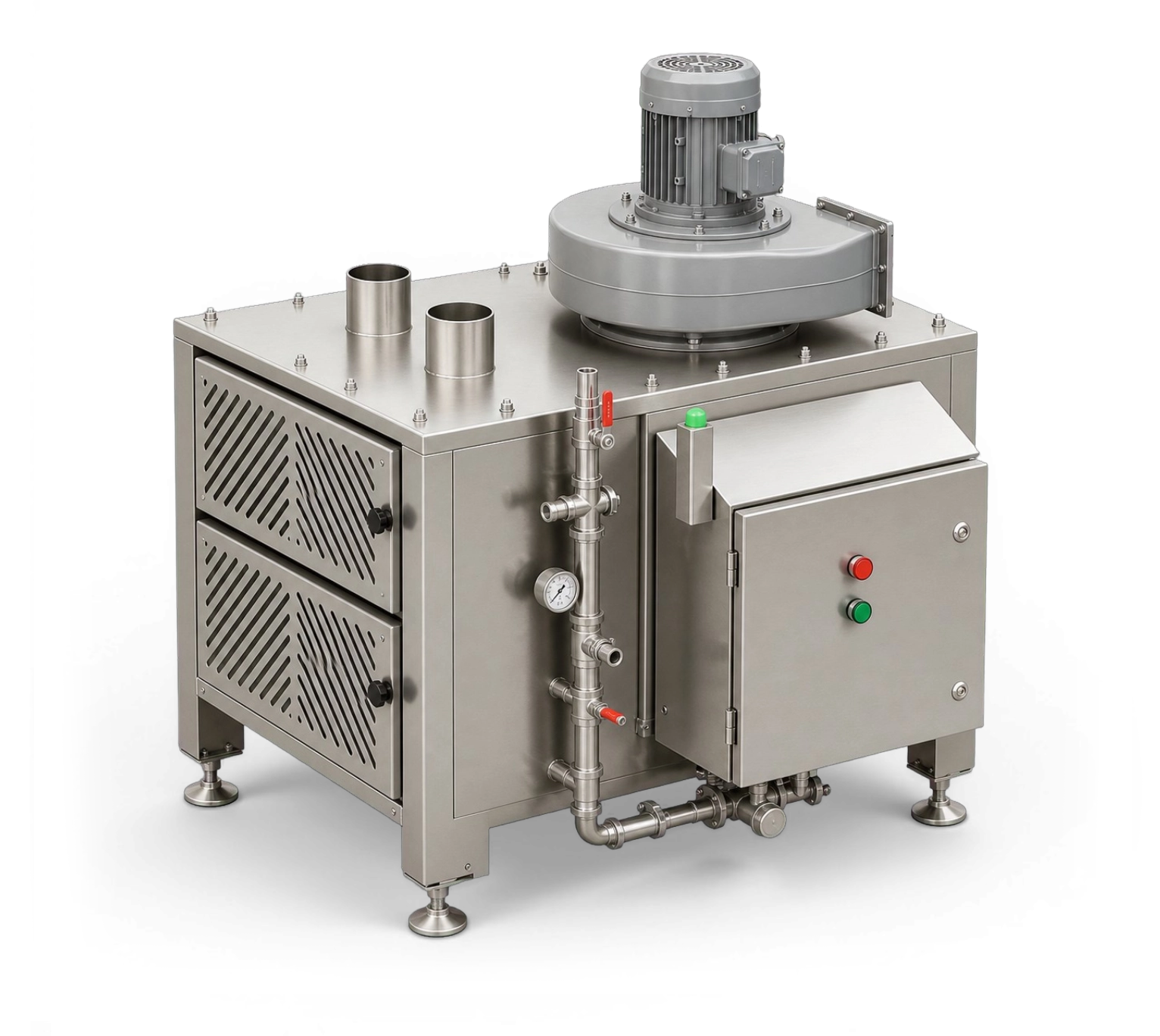
Environmental equipment uses blowers for light dust collection, filtration exhaust, fume collection, odor handling, and ventilation. Selection should combine pollutant type, duct resistance, filter resistance, operating hours, and maintenance cycle.
In environmental equipment, the blower collects and moves air toward the treatment path. It may support light dust collection, fume exhaust, odor collection, filtration, adsorption, or ventilation. Its job is to keep a stable inlet for the downstream treatment unit.
Resistance is often underestimated. Hoods, ducts, elbows, valves, cartridges, activated carbon, spray units, or other treatment structures all reduce effective airflow. As filters load with dust, pressure loss rises. If the blower has no margin, capture effect and equipment stability may fall after a period of use.
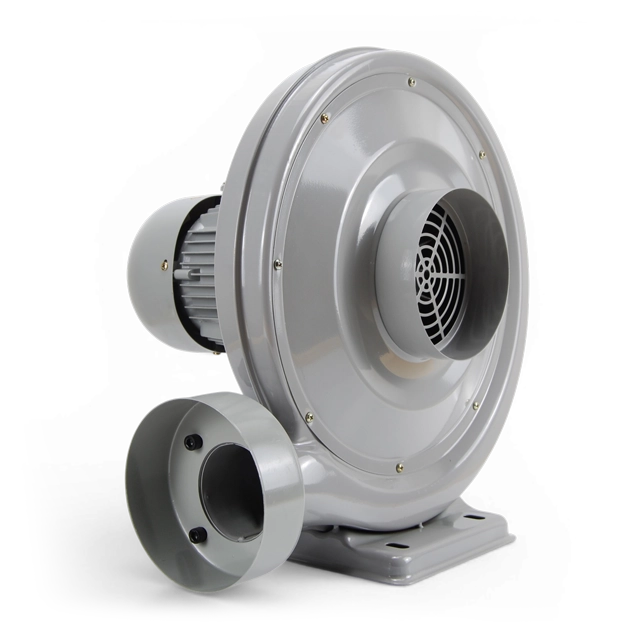
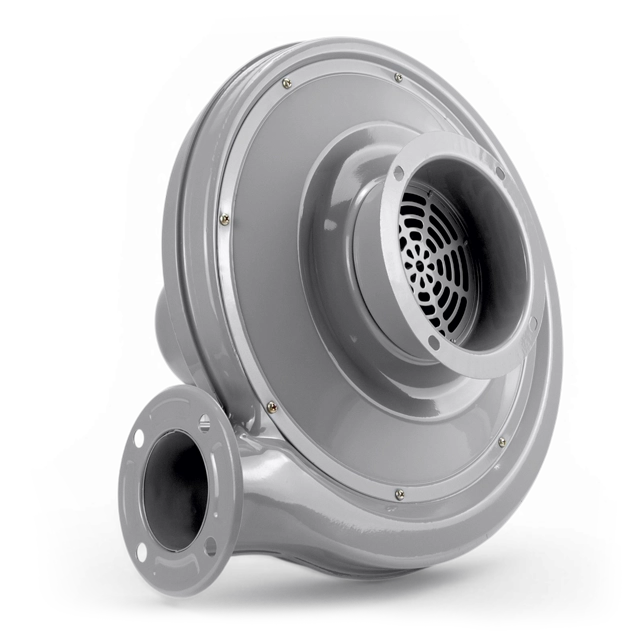
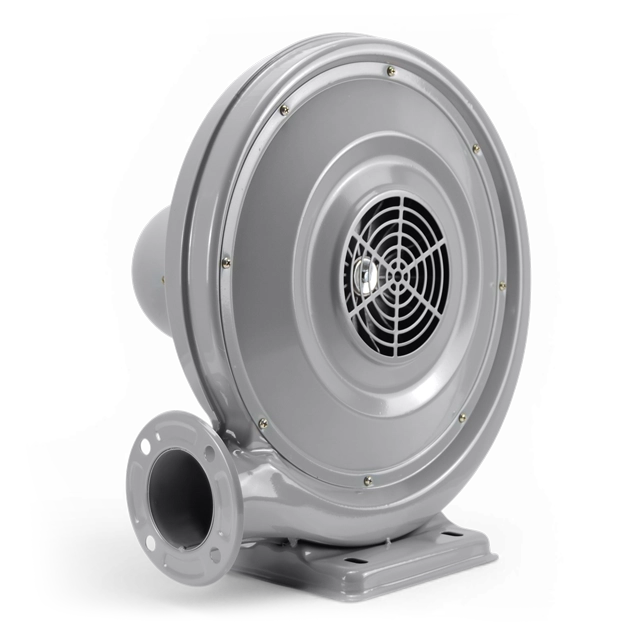
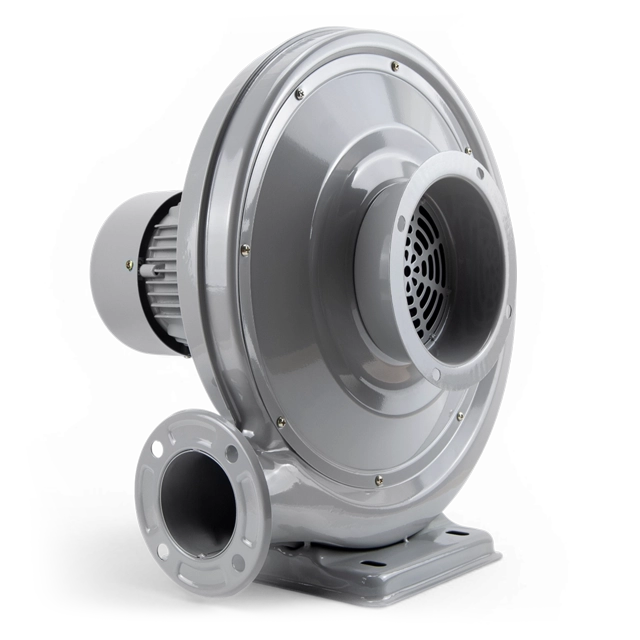
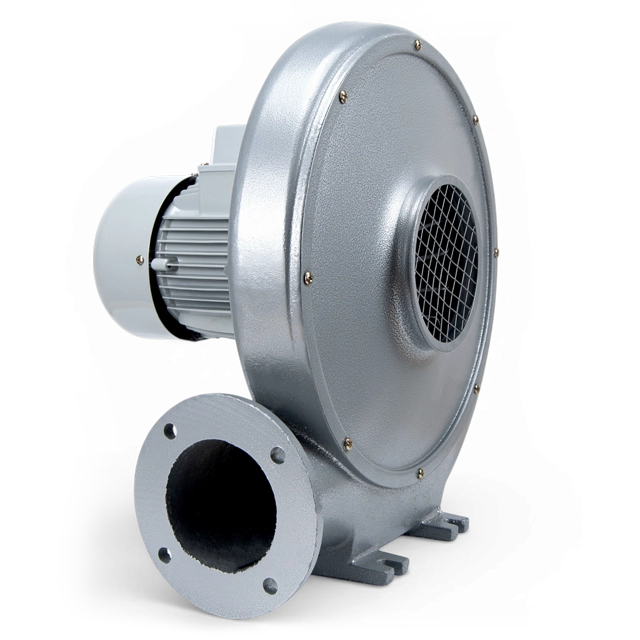
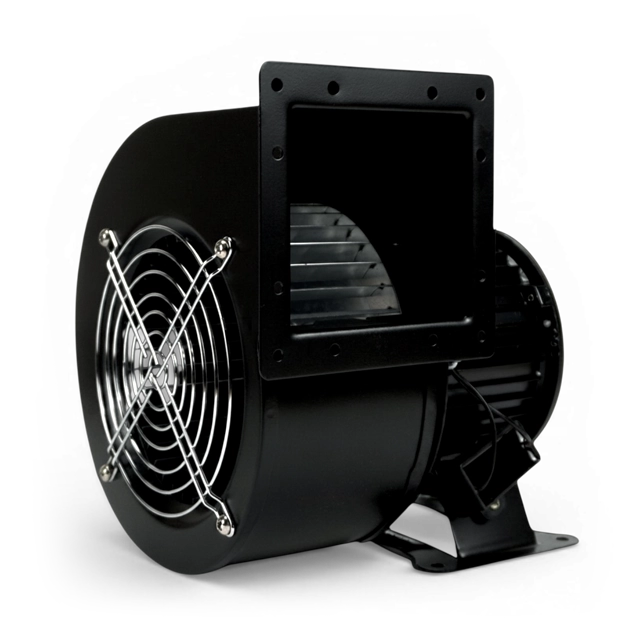
CZR-PS fits higher dust load or fixed flanged connection needs in environmental equipment. When the treatment module is integrated with an automated station or enclosure, CZR-YF can support the equipment layout. The recommendation for environmental equipment is kept to CZR-PS and CZR-YF.
Before selecting, identify the pollutant type. Dust, smoke, oil mist, moisture, and odor place different demands on filtration, cleaning, and corrosion risk. The blower is not the treatment unit, but it decides whether contaminated air can reach that unit consistently.
For environmental equipment, combine pollutant source, duct route, filter resistance, and service cycle. CZR-PS supports dust and flanged layouts, and CZR-YF supports integrated equipment.