
Solutions / Industry Application
Laser Equipment
Smoke extraction, local exhaust, and table adsorption need a clear airflow path.
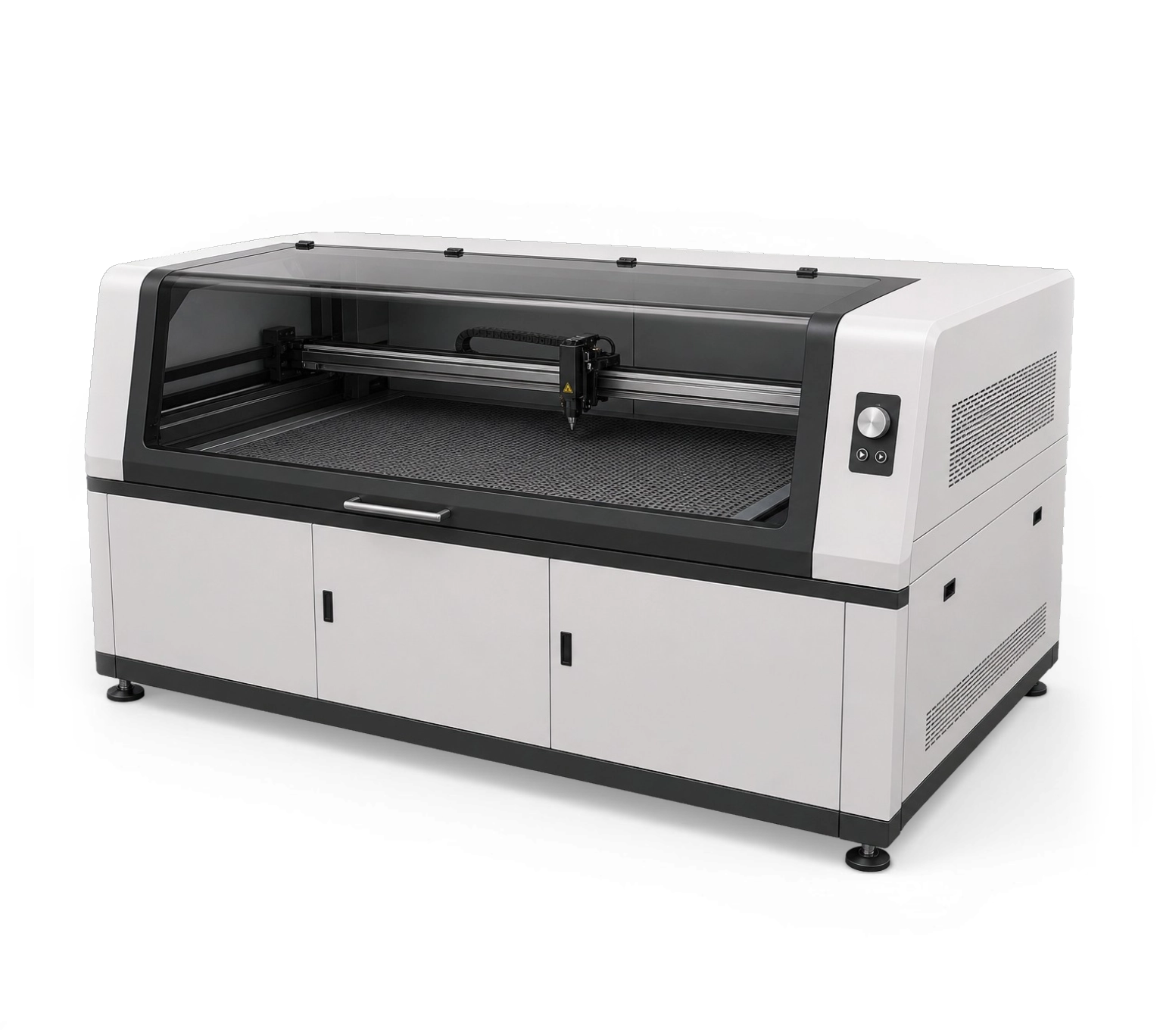
Laser cutting, marking, and engraving can create smoke, fine particles, and local heat. The blower works with the suction point, duct, and filter path so fumes leave the processing area quickly instead of staying around the lens, worktable, and enclosure.
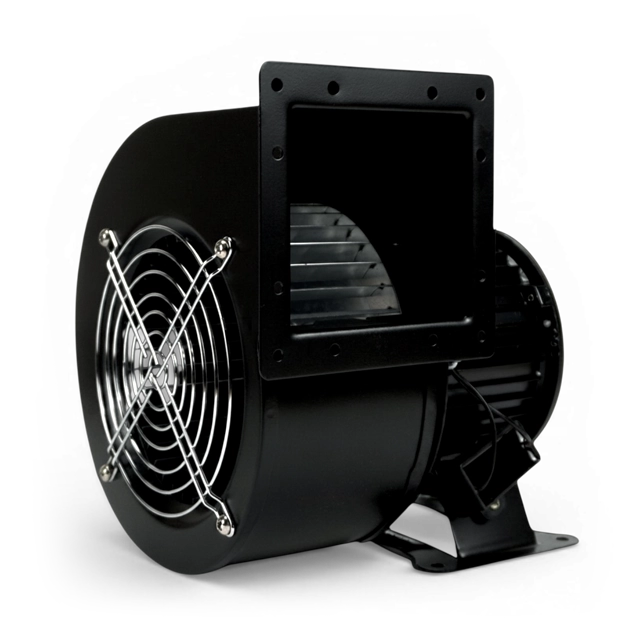
In laser equipment, the blower usually supports two jobs: extracting smoke from cutting, marking, or engraving, and creating negative pressure for table adsorption or fixtures. If fumes remain in the processing area, they can affect visibility, contaminate lenses, and settle inside the machine. The blower should be selected as part of the whole extraction path, not as an isolated component.
Start with the air path. The farther the suction point is from the source, the longer the duct is, and the more filters, elbows, or narrow sections are involved, the more resistance the blower must overcome. A blower that looks strong in open air may lose much of its effective airflow after it is connected to ducts and filtration. That is why laser equipment needs both airflow and pressure margin.
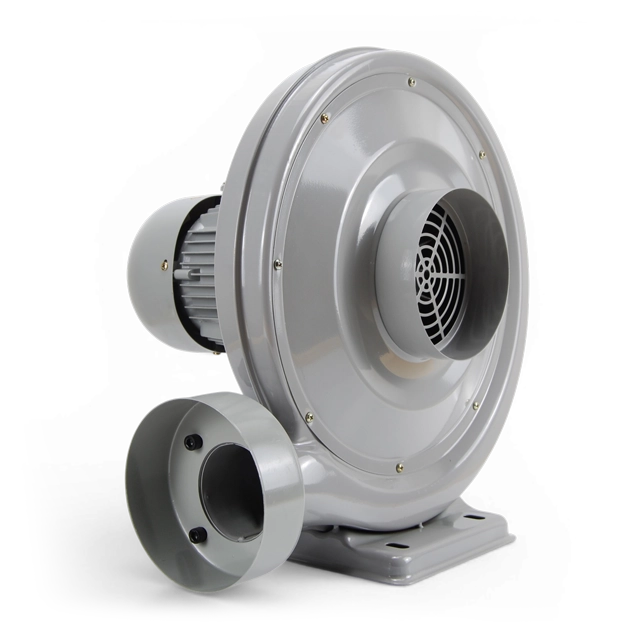
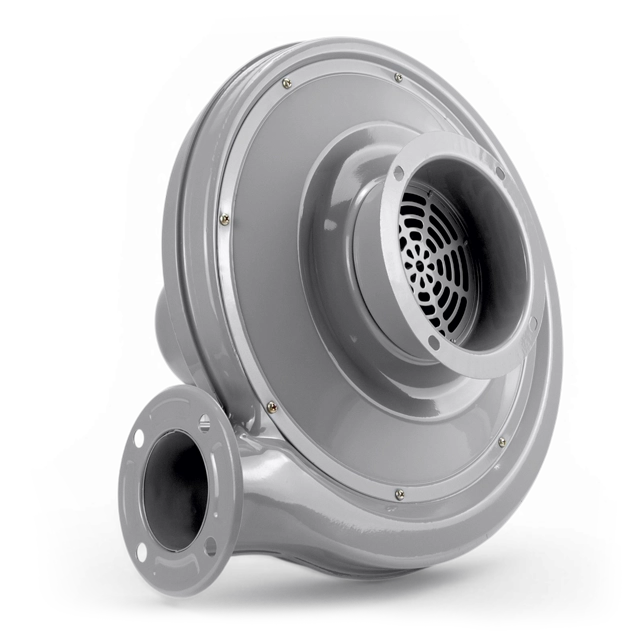
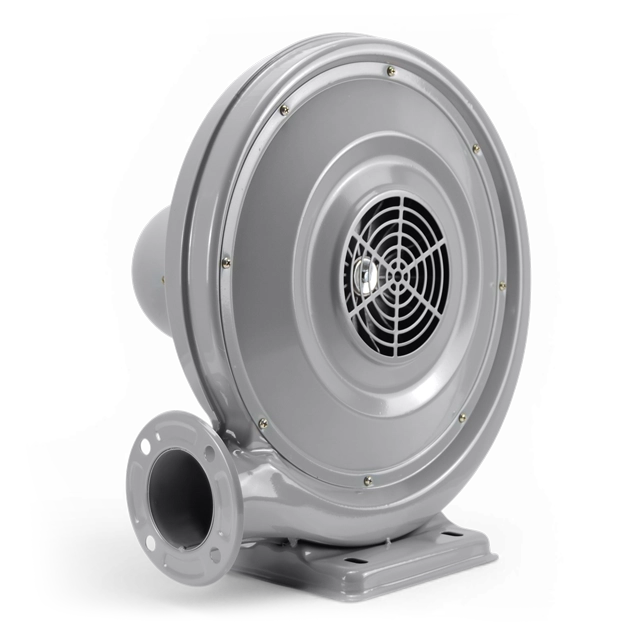
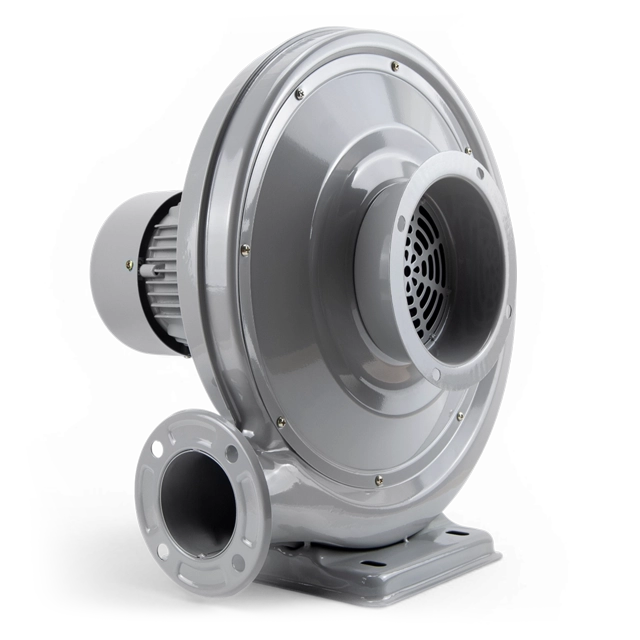
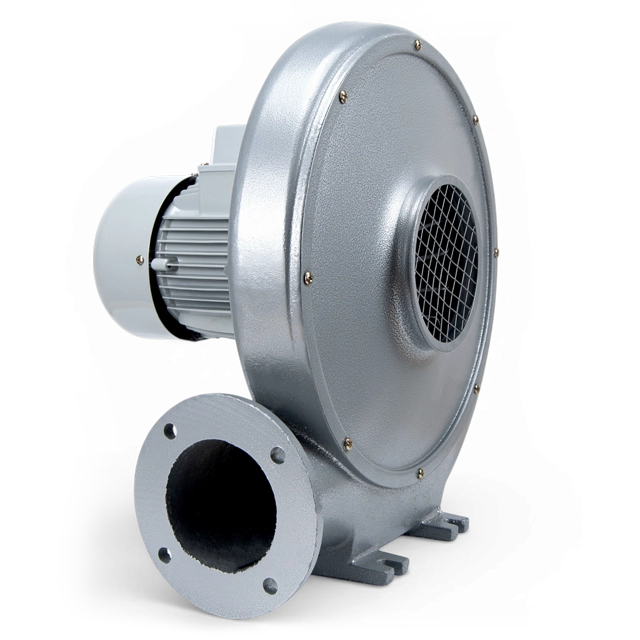
For smoke extraction and ducted suction, the CZR-DK Series is the main recommendation. It suits laser exhaust, local extraction, and 150 mm duct connections where steady medium pressure is needed. The recommendation for laser equipment is kept to CZR-DK first, then the exact power range can be checked against duct length, filter resistance, and operating time.
A practical selection process is to mark where fumes are generated, where the suction point sits, and where air finally exits. Then add filters, elbows, shared ducts, and expected filter loading. For table adsorption, also check the adsorption area, hole pattern, material coverage, and leakage. Oversizing the blower alone may not solve poor sealing or an unclear air path.
In short, laser equipment selection should combine fume load, duct resistance, filtration resistance, and operating hours. CZR-DK is the main exhaust direction. A clear airflow path at the design stage reduces repeated adjustment later.